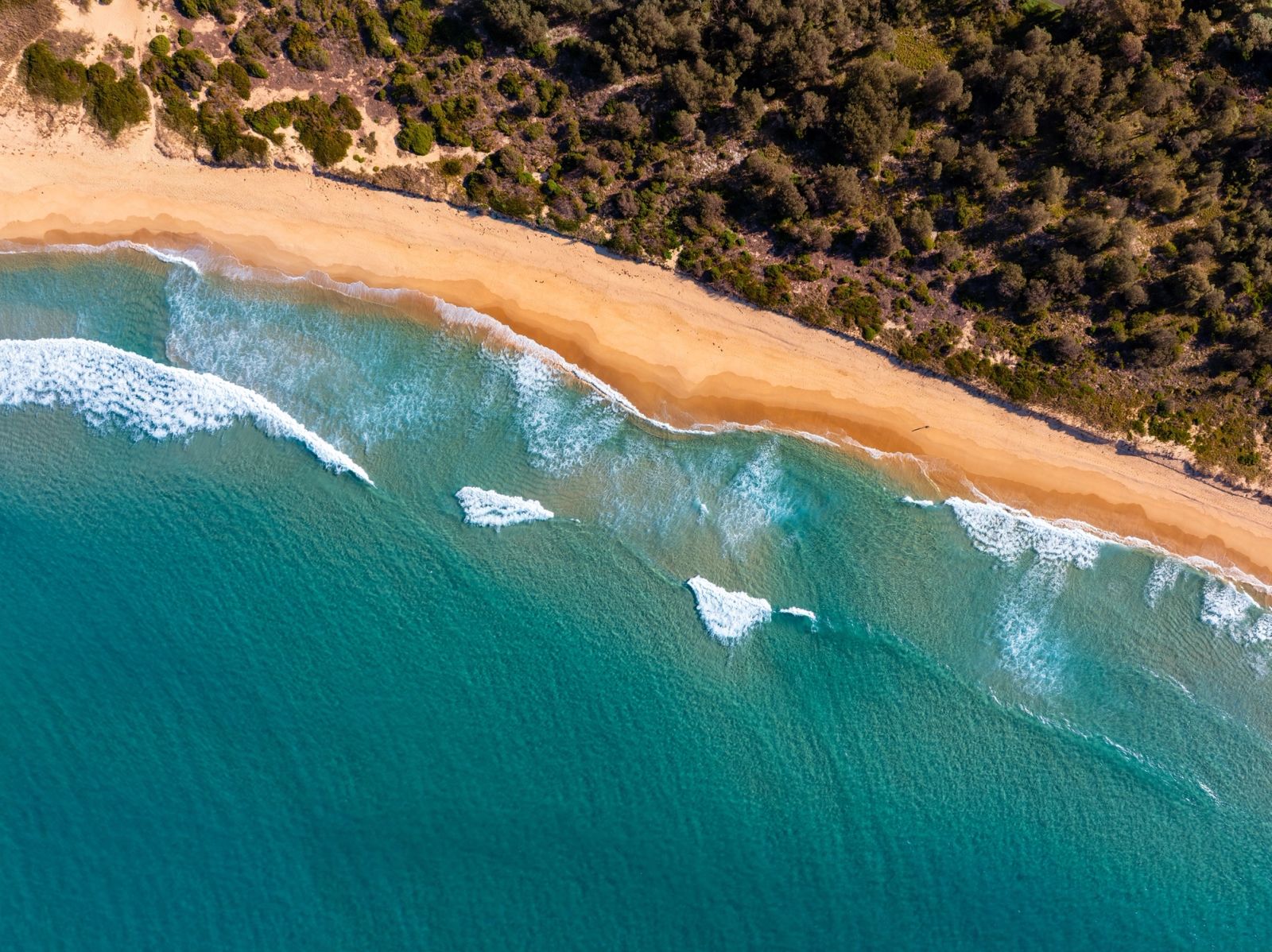
Drone
CASA licensing and why it matters for your drone project
What BVLOS, APV, and restricted airspace actually mean in plain English, and why compliance isn't a box-tick but the difference between a shoot that happens and one that gets grounded on the day.
When clients ask us about drone photography, the first question is almost always about visuals. What can we capture? What will it look like? Can we fly over the site?
The second conversation, about licensing, airspace, and compliance, tends to come as a surprise. Not because clients are unprepared, but because most people don't realise how detailed the regulatory framework actually is, or how much it affects whether a drone project can proceed the way it's been planned.
Here's what you actually need to know before commissioning aerial work.
What CASA regulates and why it matters
The Civil Aviation Safety Authority regulates all commercial drone operations in Australia. "Commercial" means any operation where someone is paid, which covers every professional photography or videography engagement.
To legally operate commercially, a drone pilot needs a Remote Pilot Licence (RePL) and must be employed by or operating through a business that holds a Remote Operator's Certificate (ReOC). These aren't optional credentials, flying commercially without them is a criminal offence, and any footage obtained in violation is legally problematic to use.
Beyond certification, every flight is subject to airspace rules. The standard operating conditions for most drones include restrictions on flying over people, near aerodromes, in controlled airspace, above 120 metres, and at night. Many of these restrictions can be lifted with the appropriate approvals, but that requires planning, lead time, and in some cases, separate authorisations from agencies like Airservices Australia or the relevant state government authority.
What BVLOS, APV, and restricted airspace actually mean
BVLOS, Beyond Visual Line of Sight. Standard operations require the pilot to maintain visual contact with the drone at all times. BVLOS operations, where the drone flies beyond what the pilot can see, require specific CASA approval and are subject to significantly more stringent conditions. Most commercial photography doesn't need BVLOS, but large infrastructure or remote site work sometimes does.
APV, Approved Person for a Vehicle, or more commonly referenced in the context of Aerial Photography by a drone operator. In practice, what most clients need to know is whether their operator is certified to fly at the location, altitude, and time they need.
Restricted airspace covers areas where standard drone operations are prohibited or require special approval. This includes around airports and helipads (typically within 5.5km of a controlled aerodrome), over certain government facilities, around emergency operations, in Defence-controlled areas, and in some national parks and protected areas.
Sydney in particular has significant restricted airspace due to Sydney Airport, Bankstown Airport, and Camden Airport, plus various controlled corridors across the metropolitan area. What looks like open sky on a map is often anything but.
Why compliance isn't a formality
The most common drone-related problem we see isn't operators who don't have their licences. It's operators who have their licences but haven't properly assessed the specific requirements for a specific location, and shoots that get grounded on the day because the airspace approval wasn't in order.
This creates real problems for clients. A location has been scouted, a crew has been booked, a schedule has been built around the aerial component. The drone pilot arrives and discovers the site is within restricted airspace, or that the weather conditions don't meet their operational requirements, or that a NOTAM (Notice to Airmen) has been issued that closes the airspace for the day.
None of this is unusual. And none of it can be fixed on the day.
The mitigation is straightforward: work with operators who do the airspace assessment before the shoot, not on the morning of. That means checking CASA's airspace authorisation tool, applying for any required approvals with enough lead time, and having a contingency plan if conditions change.
Ready to make something worth showing?
Let's talk.
We respond within 1–2 business days.
Tell Us About Your Project →