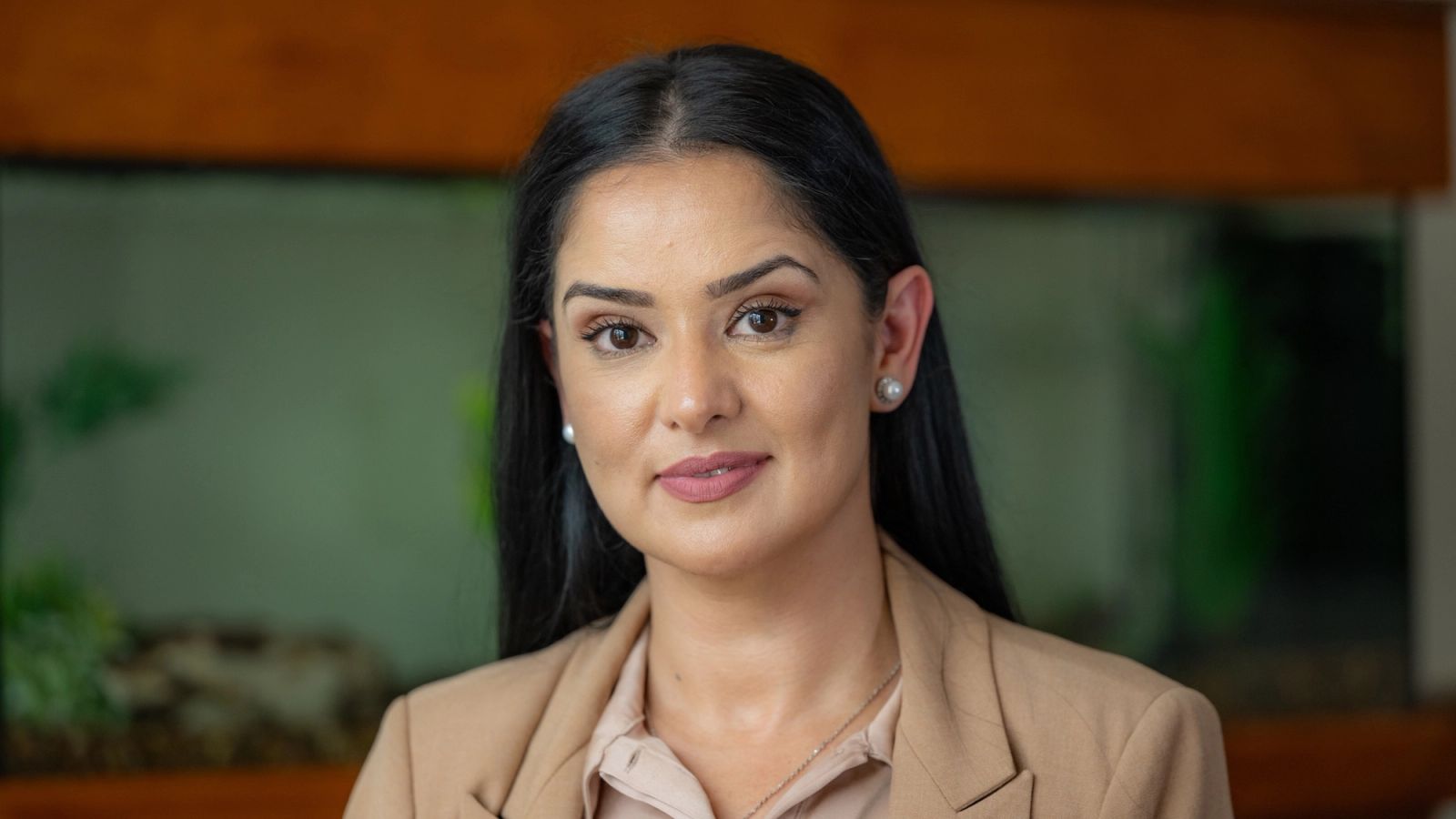
Behind the Brief
The invisible workforce: what we learned shooting HumanAbility's career pathway campaign
Making documentary subjects comfortable in front of a camera is a skill most photographers underestimate. Here's what we learned spending weeks with nurses, disability workers, and aged care staff, and why portrait authenticity matters more than production value.
This is a powerful articulation of why authentic, human-centred photography matters more than technical polish in campaigns like HumanAbility. Here’s a tightened version you could use as a case study, article, or thought-leadership piece, preserving your voice but sharpening the structure and through-line.
Making Meaningful Work Look Like It Matters
Before we started shooting the HumanAbility career pathway campaign, we spent a morning just talking.
Not about lighting or locations. About the people we were going to photograph, nurses, disability support workers, aged care staff, and why making them look good on camera was harder than it sounds, and mattered more than most clients realise.
The problem with portraits of people who don't want to be photographed
Most people aren't comfortable in front of a camera. That's not a personality flaw, it's a completely normal response to an unusual social situation. Someone points a lens at you, and suddenly you're aware of your hands, your face, your expression in a way you never are in everyday life.
For corporate headshots, this awkwardness gets smoothed over by convention. There's a script: stand here, look here, chin down slightly, good. The subject knows what's expected and so does the photographer. The resulting images are fine. Professional. Forgettable.
The HumanAbility brief wasn't asking for fine. It was asking for images that could change how young people think about careers in aged care and disability support, sectors that face real workforce shortages, partly because the work is misunderstood and undervalued.
The photographs needed to show dignity, purpose, and the genuine satisfaction of meaningful work. "Fine" wasn't going to do it.
What we learned about making documentary subjects comfortable
There's no trick to it, and no shortcut. You just spend time.
Before we lifted a camera, we were having conversations:
- What do you do on a typical day?
- What's the part of the job that most people don't know about?
- What made you choose this work?
The answers were remarkable.
A disability support worker who'd been with the same client for eleven years and spoke about that relationship the way other people talk about friendships.
A nurse who described the specific skill of knowing when someone needs company and when they need quiet.
An aged care worker who said the residents taught her more about living than anything she'd learned in training.
None of that shows up in a headshot. But it does show up when someone who's been genuinely heard steps in front of a camera. Something relaxes. The expression stops performing and starts being.
Why production value is overrated in this kind of work
There's a temptation in campaign photography to compensate for lack of authentic connection with production quality. Better lighting. More elaborate sets. Cleaner, more controlled environments.
The results look polished. And they look exactly like what they are, people performing for a camera in a situation that has nothing to do with their actual work.
For the HumanAbility campaign, we made a deliberate choice to shoot in real environments: actual facilities, actual equipment, actual colleagues.
The light wasn't always perfect. Some of the backgrounds were cluttered. A few shots had an IV pole in the corner or a whiteboard covered in handwriting.
Those images worked better than anything we'd staged. Because real environments communicate something that sets and backdrops can't, that this is actually what the job looks like, and it's worth doing.
The wider lesson
Documentary and campaign photography are different disciplines, but the underlying principle is the same: the subject has to be on your side.
For organisations that work with healthcare workers, support workers, educators, or anyone who routinely puts other people first, there's an extra layer.
These are people who spend their professional lives caring for others. Being genuinely interested in them, not as photographic subjects, but as people, isn't just a technique. It's the minimum requirement.
The images we made for HumanAbility were used across digital and print campaigns targeting career changers. They were the kind of photographs that make you look twice, not because they're technically impressive, but because the people in them look like they mean it.
That's the only standard that matters for this kind of work.
Ready to make something worth showing?
Let's talk.
We respond within 1–2 business days.
Tell Us About Your Project →