Strategy
Why your organisation needs an image library, not just a photoshoot
A single shoot gives you a day's worth of content. A library project gives you years. Here's what the Austrade National Brand Image Library taught us about thinking at scale, and how to brief a multi-location, multi-day content project.
A photoshoot gives you a day of images. An image library gives you years.
That distinction sounds simple, but it changes everything about how you plan, brief, and budget a visual content project. Most organisations don't make the shift until they've run out of usable images from their last shoot, which is usually around the time they're preparing a major tender, launching a campaign, or onboarding a new communications manager who takes one look at the existing library and asks where all the photos are.
What we learned from the Austrade project
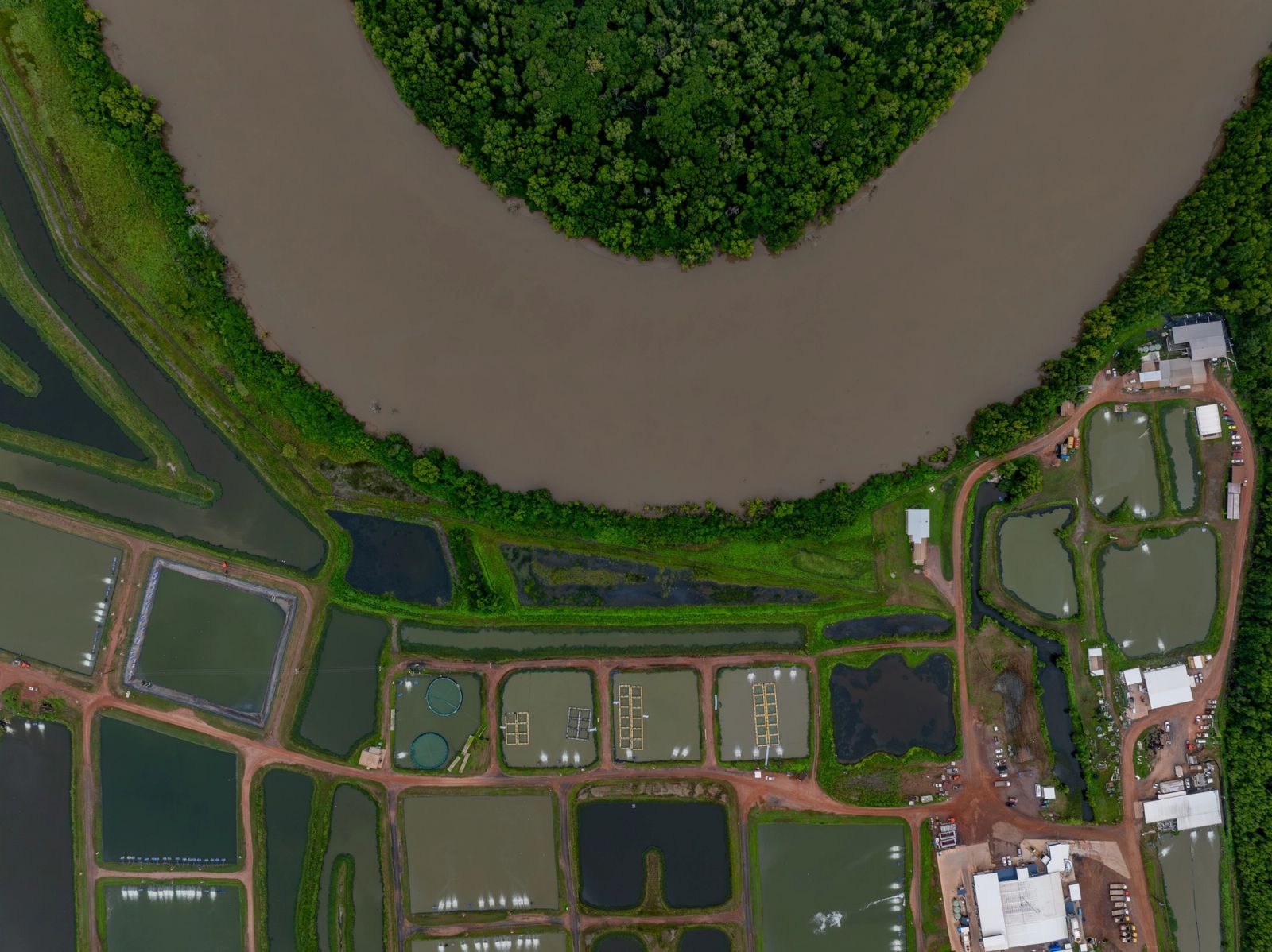
The brief for Austrade's National Brand Image Library was ambitious: document Australia's export economy across agriculture, resources, education, technology, and professional services, in more than 40 locations across five states.
The goal wasn't a set of images for a specific campaign. It was a visual asset base that government teams, trade commissioners, communications staff, and partner agencies could draw on for years. Images that could represent Australia consistently and authentically, regardless of which team was producing which piece of content.
That kind of brief requires a fundamentally different planning process than a single shoot. You're not asking "what do we need for this campaign?" You're asking "what will we need to represent this organisation across every context we can anticipate, and some we can't?"
The planning difference
For a standard shoot, planning centres on the deliverables. What shots do we need, in what format, by what date?
For a library project, planning centres on coverage. What subjects, sectors, locations, and activities does this organisation need to be able to represent visually? What are the gaps in the current library? What use cases are coming up in the next two or three years?
The Austrade project required detailed shoot planning for each location, not just what to photograph, but what each image needed to communicate about that specific sector or region. An image from a Western Australian iron ore operation needs to tell a different story to an image from a Queensland university research lab, even if both are technically well-executed photographs of people at work.
That level of planning is more work upfront. But it's the reason a library project produces assets that stay useful, rather than a set of images that feels dated within eighteen months.
Why most organisations underestimate how many images they actually need
A typical government agency annual report might use thirty to forty images. A capability statement uses ten to fifteen. A website refresh needs sixty to eighty. A media centre needs a rolling supply of fresh images throughout the year. A tender response for a major project might need specific images of relevant work, and they need to be recent.
Add that up across a year, and a mid-sized government organisation or corporate communications team can easily consume several hundred images annually, across internal and external channels, digital and print, corporate and campaign.
A single shoot, even a well-planned one, rarely covers that. Which is why organisations that rely on shoot-by-shoot photography spend more money over time, produce less consistent work, and often find themselves unable to respond quickly to communication opportunities because the right image simply doesn't exist.
The economics
Library projects have a higher upfront cost than a single shoot. They take more planning, more shoot days, and more post-production.
But the per-image cost over time is dramatically lower. More importantly, the cost of not having the right images, missing a tender deadline, publishing substandard visual content, or paying for rushed photography at short notice, tends to dwarf the cost of building the library properly in the first place.
The organisations that invest in library-scale content projects consistently tell us the same thing: they wish they'd done it earlier.
What a library project actually looks like
There's no single template, because every organisation's content needs are different. But the key elements are consistent:
A content audit. What images do you currently have? What are the gaps? What's dated, off-brand, or technically inadequate for current output sizes and channels?
A coverage brief. What subjects, locations, activities, and use cases need to be represented? What channels and formats will the images appear in?
A shoot schedule. Across how many days and locations? In what sequence? What are the logistical requirements for each location (access, permits, subject availability, seasonal considerations)?
A library structure. How will images be tagged, stored, and accessed? Who will manage the library? How will it be kept current?
If that sounds like more than a photography brief, it is. It's a content strategy that happens to be delivered through photography. The images are the output, but the library is the asset.
If you're at the point where your organisation regularly struggles to find the right image at the right moment, that's the sign it's time to think about a library project rather than another shoot.
Ready to make something worth showing?
Let's talk.
We respond within 1–2 business days.
Tell Us About Your Project →